


InJourney Hospitality House Independence Day Special: Strengthening the Capacity of Cultural Heritage Services in the Prambanan Temple Area
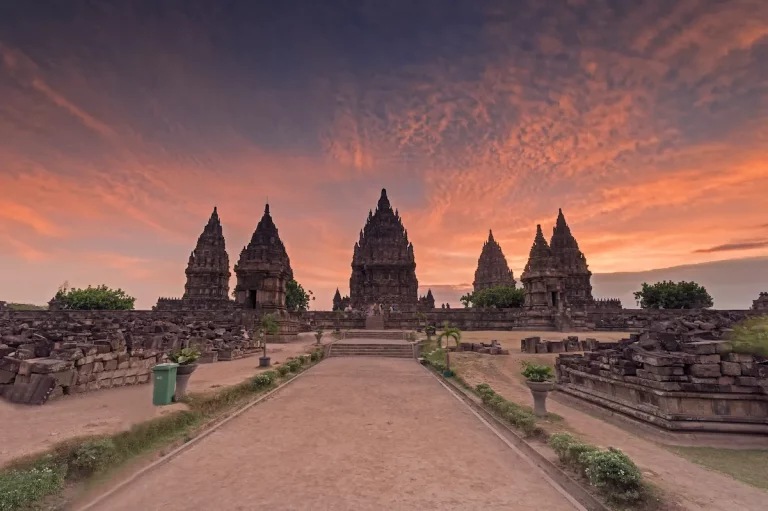
Celebrating independence is not only about celebration, but also about showing appreciation for those who contribute to preserving the nation's cultural heritage. This is being realized by InJourney Destination Management (IDM) or PT Taman Wisata Candi Borobudur, Prambanan, and Ratu Boko (Persero) through the InJourney Hospitality House (IHH) Special Independence Edition program, which will take place from August 11–13, 2026, at the Prambanan Museum in Klaten, Central Java.
The IHH Special Independence Edition is part of the IHH 2026 program series within the InJourney Group. Throughout 2026, the program reached 810 participants across the InJourney Group, with 330 participants, or approximately 40 percent, within InJourney Destination Management or PT Taman Wisata Candi Borobudur, Prambanan, and Ratu Boko (Persero).
"For InJourney, preserving cultural heritage is not only about preserving what has been passed down from previous generations, but also ensuring that the values and spirit within can live on and be passed on to future generations. This aligns with InJourney's DNA, namely Leaving Legacy , where every step we take today is expected to have an impact and leave meaningful value for the future," said InJourney's Director of Human Resources and Digital, Herdy Harman.
According to him, these efforts cannot be achieved solely through asset or destination preservation, but must also be accompanied by strengthening the human capacity of the people who are a vital part of the tourism ecosystem. Therefore, InJourney continues to encourage competency development and appreciation for those on the front lines of preserving, maintaining, and promoting Indonesia's rich cultural heritage.
This program, part of the Social and Environmental Responsibility (TJSL) program, was attended by 90 cultural heritage caretakers from the Prambanan Temple area. Participants came from various professions that play a crucial role in the preservation and management of the destination, including restorers, caretakers, gardeners, tour guides, and artists, particularly supporting dancers for the Prambanan Ramayana Ballet.
InJourney Destination Management Operations Director Indung Purwita Jati said that the implementation of IHH is a manifestation of the company's commitment to providing targeted and sustainable benefits to the surrounding community, one of which is through increasing the capacity of human resources around the destination.
"This training demonstrates our commitment to implementing a Social and Environmental Responsibility Program that is targeted, measurable, and provides tangible benefits to the community. Coinciding with the 81st anniversary of the Republic of Indonesia's Independence, we are organizing this month's IHH as a token of appreciation to the cultural heritage guardians in the Prambanan Temple area for their dedication to preserving cultural heritage while providing a quality tourism experience," said Indung Purwita Jati.
Embracing the spirit of appreciation for those on the front lines of cultural heritage preservation while interacting directly with tourists, the IHH Special Independence Edition is designed to strengthen hospitality , communication, and service competencies. The training emphasizes not only the technical aspects of service but also equips participants with the skills to build emotional connections with tourists through more personal and meaningful communication.
In the training, participants learned about the art of storytelling as an approach to delivering superior service. They were encouraged to understand how stories can be told in a more engaging way, build emotion, connect with guests, and ultimately create a more memorable experience.
Storytelling skills are becoming increasingly relevant in managing cultural heritage-based destinations. Temples and various historical relics are inherently sources of stories, but their values and messages need to be conveyed through accessible narratives that build rapport with tourists.
In addition to storytelling , the training materials also emphasize the importance of hospitality-based service. Participants are equipped with the skills to understand tourists' specific needs and desires through direct observation, analysis of online traveler reviews, and community discussions.
On the other hand, tourists also need to be given the space to express their needs and expectations. This can be fostered through appropriate gestures, polite word choice, and warm intonation. This combination of aspects is expected to create positive energy and foster a more personalized service experience for tourists.
"Cultural heritage preservation is inextricably linked to the quality of the human resources who interact directly with tourists. Caretakers, restorers, gardeners, tour guides, and artists not only fulfill their respective roles but also play a vital role in the tourist experience when visiting a destination," explained Indung Purwita Jati.
Head of the Yogyakarta Special Region Cultural Preservation Center, Nahar Cahyandaru, expressed his appreciation for the implementation of IHH, which he considered relevant to the role of the participants as the vanguard in conveying the value of cultural heritage to the community.
According to him, the presence of cultural heritage guardians is strategic because cultural heritage sites inherently cannot convey their own stories to visitors. Therefore, the people around them play a crucial role in translating these values, history, and preservation processes into information that tourists can understand.
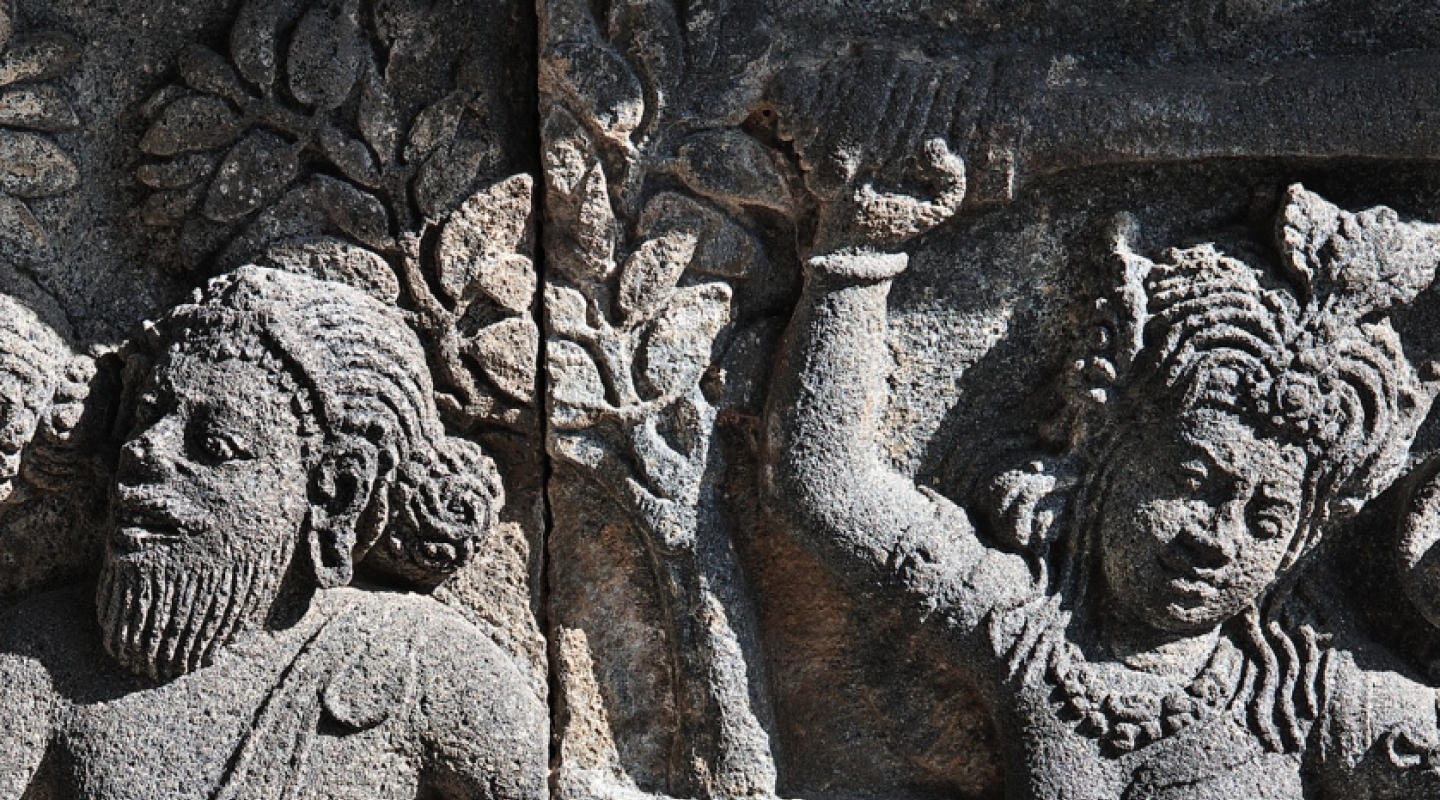
"The stones can't speak. You'll be the ones making them speak. When a caretaker is cleaning and a tourist asks, for example, they need to explain that these stones need maintenance. The stones around the temple, which are out of place or scattered around, can't speak either. You can be the ones to convey that. The stellers and sukers must also be able to explain," he explained.
Ida Prastiwi, one of the caretakers at the Yogyakarta Conservation Center, stated that as a caretaker, she is not only responsible for the cleanliness and maintenance of cultural heritage sites, but also for interacting directly with visiting tourists. The storytelling materials and services provided through the IHH have provided her with valuable resources to improve her interactions with tourists.
"We need to master a brief history of the temple so we can provide them with information. We also interact with guests. We learn how to receive guests, how to be friendly and polite, so our guests feel comfortable and satisfied with their visit," he explained.
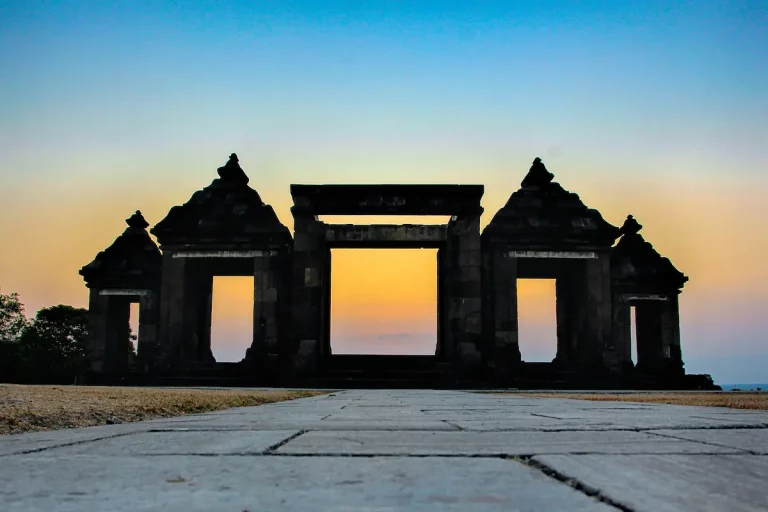
Fitria Andarini, a local guide at Ratu Boko Palace, believes the IHH training provides a fresh perspective on how to package destination information to make it more appealing to tourists. Fitria appreciates the IHH approach, which she believes is closely aligned with current tourist behavior. The material presented focuses not only on destination knowledge but also on how guides build communication and create relevant experiences for visitors.
"The new packaging I learned from this training was very interesting. The IHH speakers, who are from Generation Z, are up-to-date with current trends, including in terms of language use and how we serve guests. The tips for good and engaging storytelling for visitors, especially for us as tour guides, are crucial. I will improve on many of the things I learned here," said Fitria.
The artists supporting the cultural tourism experience in the Prambanan Temple area also experienced enhanced hospitality skills . Anom Hartoyo Jutawijaya Kusuma, an artist involved in the Prambanan Ramayana Ballet, stated that the materials gained through IHH can be used to enhance the audience experience during his performances.
"This provides us with valuable skills to apply in the Ramayana Ballet performance at Prambanan Temple. With the knowledge we've gained, we can also apply it to our colleagues so that visitors and audiences can further enjoy the service we provide," explained Anom.
The IHH Special Independence Edition emphasizes that efforts to preserve cultural heritage must go hand in hand with strengthening the quality of the people who are part of the destination's ecosystem. Restorers, caretakers, hikers, tour guides, and artists not only maintain the physical sustainability and cultural values, but also serve as a link between past heritage and present generations and tourists from all over.
This spirit is part of the effort to create increasingly high-quality, inclusive, and sustainable destinations, while simultaneously continuing the values of independence through concrete efforts, namely by preserving cultural heritage, increasing community capacity, and providing meaningful experiences for every visitor.
"We hope the knowledge and experience gained through this training can be applied in our daily tasks, while also strengthening collaboration between stakeholders in realizing a sustainable tourism ecosystem. Because when we talk about cultural heritage destinations, the tourist experience is shaped not only by what they see, but also by how they are received, served, and invited to understand the stories behind that cultural heritage," concluded Indung Purwita Jati.